
Tag: AI Agents

  • AI Applications in Ecommerce That Directly Improve Conversions

    AI Applications in Ecommerce That Directly Improve Conversions

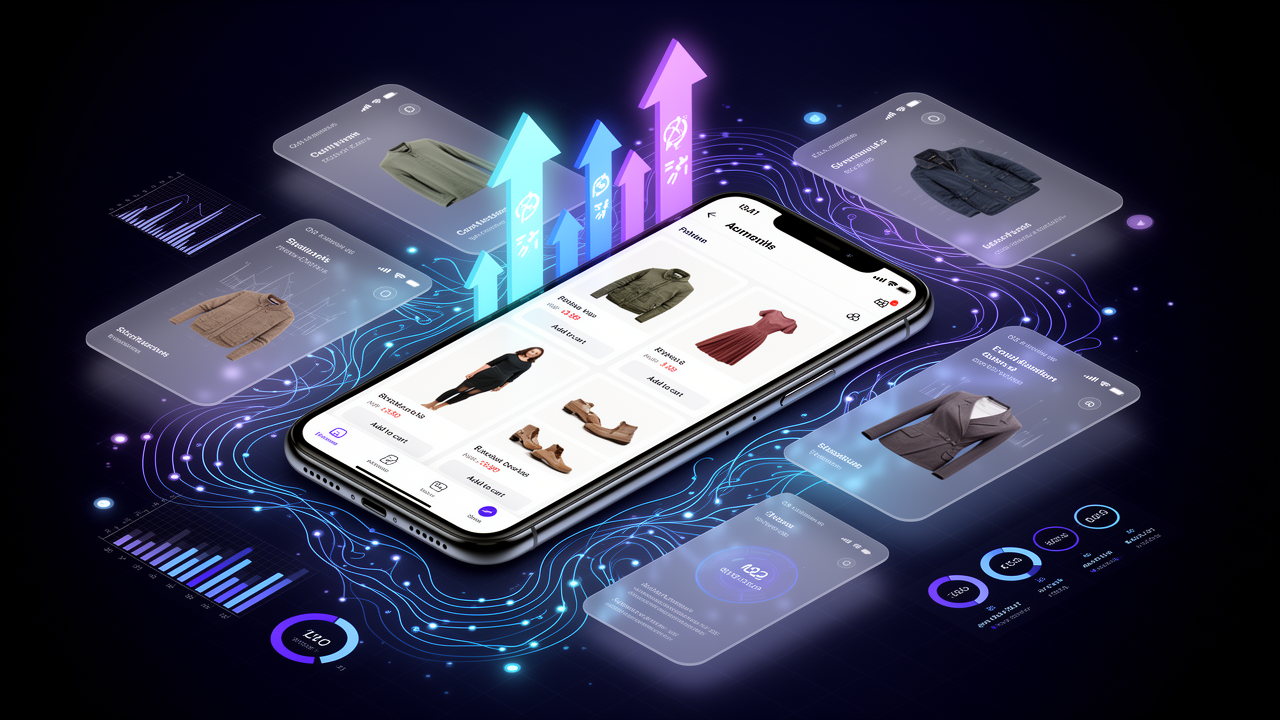
    AI application in ecommerce includes personalized shopping experiences, intelligent chatbots, dynamic pricing, automated inventory management, and predictive analytics—all powered by machine learning and natural language processing to improve customer satisfaction and operational efficiency.

    I’ll be honest: when I first heard about AI transforming e-commerce back in 2020, I rolled my eyes so hard I almost sprained something. Another buzzword, another promise of “revolutionary change” that would probably amount to a slightly smarter search bar. Fast forward to today, and I’m eating my words with a side of humble pie.

    The shift happened quietly but decisively. What started as experimental tech has become the backbone of how successful online stores operate. My skepticism melted away the first time I saw a small clothing brand triple their conversion rate using AI-powered product recommendations—not because they had a massive budget, but because they picked the right tool and actually implemented it properly.

    Here’s what nobody tells you in those glossy tech articles: AI in e-commerce isn’t about replacing humans or building some sci-fi shopping experience. It’s about solving annoying, expensive problems that have plagued online retailers forever—like figuring out what customers actually want, keeping the right amount of stock, or not sounding like a robot when you send emails.

    What AI Application in Ecommerce Actually Means

    Let’s strip away the jargon for a second. When we talk about using AI in e-commerce, we’re really talking about software that learns from patterns and makes decisions without constant human input.

    Think of it like training a really attentive employee who never sleeps, never forgets a customer’s preferences, and can spot patterns across millions of data points that would take humans years to notice. Except this employee is actually a collection of algorithms running in the background of your online store.

    The Core Technologies That Power Everything

    Four main technologies do the heavy lifting behind most AI applications in online retail:

    • Machine Learning: Software that improves its predictions by studying customer behavior over time—like noticing that people who buy running shoes often come back for moisture-wicking socks within two weeks
    • Natural Language Processing: The tech that lets computers understand human language, whether that’s a customer typing “comfy shoes for wide feet” or chatting with a support bot
    • Computer Vision: Image recognition that can identify products, tag them automatically, or let customers search by uploading photos
    • Predictive Analytics: Forecasting systems that anticipate what customers will want, when prices should change, or how much inventory you’ll need next month

    These aren’t separate islands of technology—they work together. A chatbot uses NLP to understand questions, machine learning to improve responses, and predictive analytics to know when to escalate to a human.

    Why AI Application in Ecommerce Matters More Than Ever

    Here’s the uncomfortable truth: customer expectations have outpaced what humans can reasonably deliver at scale. People expect Amazon-level personalization from your small Shopify store. They want instant answers at 2 AM. They assume you somehow know they’re browsing on mobile while commuting and will abandon their cart if checkout takes more than three taps.

    Without AI, meeting these expectations means either hiring an army of people (expensive) or accepting mediocre customer experiences (fatal). The use of ai in ecommerce bridges this gap by automating the impossible and augmenting what humans do best.

    The Competitive Reality Nobody Talks About

    Something shifted between 2024 and 2026. AI moved from “nice competitive advantage” to “table stakes for survival.” The major platforms—Shopify, BigCommerce, WooCommerce—started baking AI features directly into their core offerings.

    What this means practically: your competitors probably already have access to basic AI tools. The question isn’t whether to adopt AI anymore; it’s which applications deliver actual ROI for your specific business model.

    I watched this play out with a friend’s boutique electronics store. They resisted AI tools for two years while competitors implemented smart search and personalized recommendations. Their traffic stayed steady, but conversion rates slowly declined. Not because they got worse—because customer expectations evolved and they stood still.

    How AI Applications Actually Work in Online Stores

    The magic happens in three main layers of your e-commerce operation, each solving different headaches you’ve probably experienced firsthand.

    Customer-Facing Intelligence

    This is where shoppers directly interact with AI, often without realizing it:

    • Smart chatbots that triage customer questions, handle simple requests instantly, and know when to escalate complex issues to humans—saving you from hiring night-shift support staff
    • Personalized product recommendations that go beyond “customers also bought” to actually understand individual preferences and browsing patterns
    • Visual search letting customers upload photos to find similar products, which is particularly powerful for fashion and home decor
    • Intelligent site search that understands typos, synonyms, and natural language queries instead of requiring exact keyword matches

    The beauty of these systems is they improve with use. Every interaction teaches the AI something new about how your customers think and what they want.

    Behind-the-Scenes Operations

    This is where AI quietly saves you money and prevents disasters:

    • Dynamic pricing engines that adjust prices based on demand, competition, time of day, and inventory levels—maximizing revenue without constant manual tweaking
    • Inventory prediction systems that forecast demand with scary accuracy, preventing both stockouts and expensive overstock situations
    • Automated product bundling that identifies which items sell well together and creates packages customers actually want
    • Fraud detection that spots suspicious orders before they cost you money in chargebacks

    For more background on practical implementation, check Shopify’s guide to AI in retail.

    Strategic Intelligence Layer

    This is the least visible but potentially most valuable application—turning raw data into decisions:

    • Customer lifetime value prediction that identifies which shoppers will become your best customers, letting you invest marketing dollars more intelligently
    • Churn prediction that flags customers likely to stop buying, giving you a chance to win them back
    • Trend forecasting that spots emerging patterns in customer behavior before they become obvious
    • Email optimization that determines the best send times, subject lines, and content for each subscriber

    Learn more in AI Applications in Ecommerce: Real Use Cases for Shopify Fashion Brands.

    Common Myths That Hold Businesses Back

    Let’s clear up some misconceptions that keep smart business owners from implementing AI tools that would actually help them.

    Myth: AI Requires a Massive Budget

    The biggest lie circulating is that AI is only for enterprise retailers with Silicon Valley budgets. Reality check: many powerful AI applications are now available as affordable SaaS tools or built directly into e-commerce platforms you’re already using.

    A solo entrepreneur running a Shopify store has access to AI-powered apps for under $50 monthly. That’s less than hiring someone for three hours of manual work. The barrier isn’t cost anymore—it’s knowing which tools solve your actual problems.

    Myth: You Need Data Scientists to Implement AI

    This one drives me nuts because it’s technically true for custom AI development but completely false for 95% of e-commerce applications. Modern AI tools are designed for business users, not programmers.

    Installing an AI chatbot or recommendation engine is typically easier than setting up Google Analytics. If you can add an app to your Shopify store or install a WordPress plugin, you can implement useful AI applications. The technical complexity has been abstracted away by the platforms.

    Myth: AI Will Replace Human Customer Service

    Here’s what actually happens: AI handles repetitive questions (“Where’s my order?” “What’s your return policy?”) so humans can focus on complex issues that require empathy, creativity, and judgment.

    Every successful implementation I’ve seen uses AI to augment human capabilities, not replace them. The goal is eliminating soul-crushing repetitive work, not eliminating jobs. Your customer service team becomes more valuable when they’re solving interesting problems instead of answering “Do you ship to Canada?” for the thousandth time.

    Myth: AI Recommendations Feel Creepy to Customers

    This fear is rooted in dystopian sci-fi more than reality. Customers don’t find good recommendations creepy—they find them helpful. What feels creepy is poorly implemented personalization that misses the mark or oversteps privacy boundaries.

    The key is transparency and value. Nobody complains when Netflix suggests shows they might enjoy. They complain when retargeting ads follow them around the internet for months after they already bought the product.

    Real-World Applications That Deliver Results

    Theory is nice, but let’s talk about what actually works in practice. These examples come from real implementations, not marketing case studies with suspiciously perfect results.

    Smart Email Campaigns That Don’t Annoy People

    Traditional email marketing blasts the same message to everyone on your list. AI-powered email analyzes individual subscriber behavior—what they clicked, when they opened emails, what they bought—and customizes timing and content accordingly.

    One mid-sized beauty brand I consulted with implemented AI email optimization and saw their unsubscribe rate drop while engagement increased. Not because the emails became magical, but because people stopped receiving irrelevant messages at annoying times.

    Inventory Management That Prevents Disasters

    Running out of popular products loses sales. Overordering ties up cash and leads to markdowns. AI inventory systems navigate this tightrope by analyzing historical sales, seasonal patterns, market trends, and even external factors like weather or social media buzz.

    A fashion retailer I know used to spend hours every week manually forecasting inventory needs with spreadsheets. They switched to an AI system that automated the whole process and consistently outperformed their manual forecasts. The time savings alone justified the investment, but avoiding stockouts during peak season was the real win.

    Product Descriptions That Actually Convert

    Writing unique, compelling product descriptions for hundreds or thousands of SKUs is tedious and time-consuming. Generative AI can create initial drafts that capture key features and benefits in your brand voice.

    The trick is using AI as a starting point, not a finish line. The best implementations have humans review and refine AI-generated content, combining the scale of automation with the nuance of human creativity.

    Learn more in Generative AI in E-Commerce: Writing High-Converting Product Pages.

    Dynamic Pricing That Maximizes Revenue

    Airlines and hotels have used dynamic pricing for years. Now e-commerce stores of all sizes can implement similar strategies. AI analyzes competitor prices, demand signals, inventory levels, and customer segments to adjust prices in real-time.

    This doesn’t mean constantly changing prices randomly—that erodes trust. Smart dynamic pricing maintains consistency for regular customers while optimizing for specific situations like clearing excess inventory or capitalizing on high-demand periods.

    Getting Started Without Losing Your Mind

    The biggest mistake businesses make is trying to implement everything at once. AI adoption works best as a focused, iterative process.

    Start With Your Biggest Pain Point

    Don’t chase the shiniest AI tool. Instead, identify your most expensive or time-consuming problem:

    • Spending hours answering repetitive customer questions? Start with a chatbot.
    • Constantly running out of popular products? Begin with inventory prediction.
    • Low conversion rates despite decent traffic? Try personalized recommendations.
    • Abandoned carts killing your revenue? Implement AI-powered recovery campaigns.

    Solving one real problem delivers more value than half-implementing five trendy tools.

    Choose Platform-Native Solutions First

    If you’re on Shopify, BigCommerce, or WooCommerce, explore their built-in AI features and vetted app ecosystems before building custom solutions. These integrations are tested, supported, and designed to work with your existing setup.

    Custom AI development makes sense for unique competitive advantages, but most businesses need proven solutions to common problems—and those already exist.

    Measure What Matters

    AI implementations should move specific metrics: conversion rate, average order value, customer service costs, inventory carrying costs, or revenue per visitor. If you can’t articulate which number should improve and by roughly how much, you’re not ready to implement.

    This doesn’t mean every AI project needs an immediate ROI—some investments build long-term capabilities. But you should always know what success looks like before you start.

    What’s Next in AI-Powered Commerce

    The use of ai in ecommerce continues evolving rapidly. Voice commerce, augmented reality try-ons, and hyper-personalized shopping experiences that adapt in real-time are moving from experimental to mainstream.

    But here’s my honest take: the fundamentals matter more than the cutting edge. A business that executes basic AI applications well—smart search, solid recommendations, efficient operations—will outperform one chasing every new trend.

    The opportunity isn’t in being first to every new AI capability. It’s in thoughtfully applying proven AI applications to solve your specific business challenges. That approach might not make for exciting conference presentations, but it builds profitable, sustainable online businesses.

    The question for 2026 and beyond isn’t whether AI belongs in your e-commerce strategy. It’s which applications deserve your attention and resources first. Start there, measure ruthlessly, and expand what works.

    Frequently Asked Questions

    What is AI application in ecommerce?

    AI application in ecommerce refers to using machine learning, natural language processing, and predictive analytics to automate and optimize online retail operations—from personalizing customer experiences to managing inventory and pricing dynamically.

    How much does it cost to implement AI in an online store?

    Basic AI tools like chatbots or recommendation engines start around $30-50 monthly through platform apps, while enterprise custom solutions can cost thousands. Most small to medium businesses find effective AI applications at affordable SaaS price points.

    Do I need technical expertise to use AI in my e-commerce business?

    No—most modern AI tools for e-commerce are designed for business users without coding skills. If you can install a Shopify app or WordPress plugin, you can implement useful AI applications.

    Will AI replace my customer service team?

    AI augments customer service by handling repetitive questions, allowing human agents to focus on complex issues requiring empathy and judgment. Successful implementations reduce workload without eliminating jobs.

    What’s the best AI application to start with for a small online store?

    Start with whichever AI tool addresses your biggest pain point—typically smart chatbots for customer service, personalized recommendations for conversion optimization, or AI-powered email marketing for better engagement. Focus on solving one problem well before expanding.
  • Best AI Tools for E Commerce to Increase Conversion Rates

    Best AI Tools for E-Commerce to Increase Conversion Rates

    The best AI tools for e-commerce in 2025 focus on solving specific problems: Gorgias and Tidio for automated customer support, Jasper for content creation, Klaviyo for email personalization, and Signifyd for fraud prevention. Success comes from choosing tools that integrate seamlessly with existing workflows and deliver measurable ROI rather than chasing broad AI promises.

    So here’s the thing about AI in ecommerce: we’ve moved past the “ooh, shiny!” phase and landed squarely in “okay, but does it actually work?” territory. Every week brings another tool promising to revolutionize your business, but ecommerce owners are getting savvier—and more skeptical.

    The conversations happening in online communities reveal a stark truth. Business owners aren’t asking “what AI tools exist?” anymore. They’re asking “what’s actually improving my bottom line?” That shift matters more than you might think.

    Because here’s what nobody tells you: most AI tools look amazing in demos and fall flat in real-world implementation. The gap between marketing hype and daily usefulness is wide enough to drive a truck through.

    Why Ecommerce Owners Are Finally Getting Practical About AI

    The early adopter phase is over. We’re now in the “show me the numbers” era, where ecommerce businesses want proof before investment. This healthy skepticism is pushing the industry toward better, more focused solutions.

    A telling sign: when ecommerce owners gather online to discuss ecommerce ai tools, they’re not sharing success stories about wholesale AI transformation. Instead, they’re swapping notes about specific pain points that got solved—faster customer response times, less time writing product descriptions, fewer fraudulent orders slipping through.

    This ground-level reality check is forcing AI companies to deliver substance over sizzle. The tools that survive aren’t the ones with the flashiest features—they’re the ones that make Tuesday afternoon less stressful.

    Let’s pause for a sec and acknowledge something important: implementing AI doesn’t mean replacing humans or overhauling everything. The most successful ecommerce businesses are using AI like a really good assistant—handling the repetitive stuff so people can focus on strategy and creativity.

    The Best AI Tools for E-Commerce: What’s Actually Working

    Customer Support Tools That Don’t Sound Like Robots

    Customer support is where AI has moved from “interesting experiment” to “how did we live without this?” Gorgias AI Agent and Tidio are dominating this space, and for good reason—they handle the routine questions without making customers feel like they’re talking to a script.

    Here’s what makes these tools stand out:

    • They integrate with existing helpdesk workflows instead of requiring a complete system overhaul
    • They learn from your actual customer conversations, not generic templates
    • They know when to escalate to humans (which matters more than you’d think)
    • They reduce response times from hours to seconds for common inquiries

    Intercom deserves a special mention here. While it’s not exclusively an AI tool, its AI capabilities combined with robust integrations make it a powerhouse for businesses that need more than just basic chat support. The platform connects with dozens of other tools, creating a support ecosystem rather than an isolated chatbot.

    Real talk: the difference between a good AI support tool and a frustrating one often comes down to how well it admits what it doesn’t know. The best ones gracefully hand off complex issues instead of confidently giving wrong answers.

    Content Creation Without the Blank Page Stare

    Jasper has become the go-to for product descriptions and ad copy, but not because it writes perfect content on the first try. It works because it gives you a solid first draft that sounds human enough to edit rather than rewrite from scratch.

    The content creation landscape breaks down like this:

    • Product descriptions: Jasper excels at maintaining brand voice across hundreds of SKUs
    • Email campaigns: Klaviyo’s AI personalization goes beyond “Hi [FirstName]” to actually relevant content
    • Marketing language: Persado uses proprietary data to test what language actually converts (not just what sounds good)

    Here’s the simple version: these tools don’t replace copywriters, they multiply their output. A writer who could handle 10 product descriptions a day can now handle 50—spending more time on strategy and refinement, less time staring at blank screens.

    For more background on how automation fits into your overall ecommerce strategy, check Shopify’s guide to ecommerce automation.

    Best AI Tools for E-Commerce Personalization

    Personalization is where the magic happens—or where things get creepy, depending on implementation. The difference between “wow, they get me” and “how do they know that?” is surprisingly narrow.

    Tolstoy takes an interesting approach with interactive video experiences. Instead of static product pages, customers engage with dynamic content that adapts based on their responses. It’s like having a really attentive salesperson who remembers what you said three clicks ago.

    Clerk.io and Octane AI focus on the recommendation engine side. They analyze browsing patterns, purchase history, and behavior signals to suggest products that actually make sense. (You know, unlike those “because you bought dish soap, you might like this lawnmower” recommendations we’ve all seen.)

    Vue.ai brings visual AI into the mix, understanding product aesthetics and style preferences. For fashion and home decor brands, this matters enormously—someone’s taste in furniture says more than their zip code ever could.

    The common thread? These tools work best when they’re invisible to the customer. The experience feels intuitive and helpful, not algorithmic and pushy.

    Data Analysis That Actually Tells You Something Useful

    Polar Analytics stands out in the data space because it focuses on insights over raw numbers. Any tool can show you graphs—fewer can tell you what to do about them.

    The shift happening in analytics tools is from “here’s everything” to “here’s what matters.” Ecommerce owners are drowning in data but starving for clarity. The best AI analytics tools act like filters, surfacing patterns and anomalies that warrant attention while letting the rest fade into background noise.

    Think of it this way: you don’t need AI to tell you that sales dropped—you need it to tell you that sales dropped specifically among returning customers who viewed three or more product pages but only after 6 PM on mobile devices. That specificity is where actionable intelligence lives.

    Learn more in Best Chatbot and Email Automation Tools for Ecommerce Stores.

    Fraud Prevention Before It Costs You

    Signifyd has become the name in AI-driven fraud detection, and the reason is simple: fraud prevention is one area where AI genuinely outperforms humans. The patterns are too complex and the volume too high for manual review to catch everything.

    These tools analyze hundreds of signals simultaneously—device fingerprints, shipping addresses, email patterns, browsing behavior, purchase velocity. They spot combinations that look innocent individually but suspicious together.

    The ROI here is straightforward: every fraudulent order you prevent saves not just the product cost but also the chargeback fees, the time spent dealing with disputes, and the potential impact on your payment processor relationship. It’s less sexy than marketing AI, but often more valuable.

    Website Building With AI Assistance

    Platforms like Replit, Emergent, Lovable, and Bolt are making website creation more accessible through AI assistance. You can describe what you want and get functional code in return—a game-changer for small businesses without development resources.

    But here’s the catch everyone’s talking about: code exportability and hosting flexibility. The question isn’t just “can I build it?” but “can I take it with me if I need to?” Platform lock-in remains a legitimate concern for businesses thinking long-term.

    In plain English: these tools work great until you need something custom or want to switch hosting. Make sure you understand what you’re committing to before you build your entire site on a platform that doesn’t let you export the code.

    What Successful Implementation Actually Looks Like

    Here’s what the ecommerce owners who are winning with AI have figured out: integration beats isolation every single time. The best AI capabilities are built into platforms you’re already using—not separate tools that require another login, another workflow, another training session.

    A chat app with AI features beats a standalone AI chat tool because it fits into existing customer service processes. An email platform with AI personalization beats a separate personalization engine because marketers don’t have to learn a new interface.

    The most successful implementations target specific pain points rather than attempting wholesale transformation. You’re not “implementing AI across your business”—you’re solving your customer support backlog, or your content creation bottleneck, or your fraud detection gaps.

    Start with the problem that keeps you up at night. Find a tool specifically designed to address that problem. Measure results. Then expand to other areas if—and only if—the first implementation proved its value.

    For fashion brands specifically looking to leverage ecommerce ai tools, you might wanna check out Best AI Tools for E-Commerce in 2026 (Focused on Fashion Brands).

    The Four Questions That Determine AI Tool Success

    Before committing to any AI tool, successful ecommerce businesses are asking these questions:

    Does it solve a specific, measurable problem? Vague promises about “transformation” or “optimization” are red flags. Good tools solve defined problems: reduce response time, increase email open rates, decrease fraud losses.

    How well does it integrate with what we already use? The best tool in the world becomes worthless if using it requires completely changing your workflow or maintaining data in multiple places.

    Can we clearly measure ROI? Whether through time savings, increased conversions, or reduced costs, you should be able to point to specific metrics that justify the investment.

    How much training and technical overhead does it require? Tools that demand extensive training or technical expertise to implement often fail not because they don’t work, but because nobody has time to learn them properly.

    Common Myths About Ecommerce AI Tools

    Myth: AI will replace your team. Reality: AI handles repetitive tasks so your team can focus on strategy, creativity, and complex problem-solving. The businesses seeing the biggest wins are using AI to amplify human capabilities, not replace them.

    Myth: More AI tools = better results. Reality: Tool sprawl creates confusion and inefficiency. One well-implemented tool beats five partially-used ones every time. Focus on solving one problem really well before expanding.

    Myth: AI works perfectly out of the box. Reality: Most AI tools require training, customization, and ongoing refinement. They learn from your data and improve over time—expect an adjustment period, not instant perfection.

    Myth: You need technical expertise to use AI tools. Reality: The best ecommerce AI tools are specifically designed for non-technical users. If a tool requires developer knowledge for basic setup, it’s probably not the right fit for most ecommerce businesses.

    What’s Working Right Now

    The ecommerce AI landscape in 2025 looks fundamentally different than it did even two years ago. We’ve moved past the experimental phase into practical implementation, and the results are reshaping expectations.

    Tools that succeed share common characteristics: they solve real problems, integrate smoothly, demonstrate clear value, and don’t require extensive technical knowledge. The shift from “what exists?” to “what works?” represents healthy maturation of the space.

    Businesses finding success with the best ai tools for e-commerce aren’t the ones trying to implement everything at once. They’re the ones who identified their biggest operational pain point, found a tool designed to address it, measured results carefully, and expanded strategically from there.

    The promise of AI in ecommerce isn’t about replacing human judgment or completely automating your business. It’s about handling the repetitive, time-consuming tasks that prevent you from focusing on strategy, creativity, and growth. It’s about responding to customers faster, creating content more efficiently, preventing fraud more effectively.

    Start small. Solve one problem. Measure everything. Expand deliberately. That’s the playbook that’s actually working in 2025—not the “implement AI everywhere” approach that sounds good in theory but falls apart in practice.

    What’s Next?

    Once you’ve got your foundational AI tools working, the natural next step is exploring how automation platforms can connect everything together. Tools like n8n and Zapier let you create workflows that link your AI tools with the rest of your ecommerce stack, multiplying their effectiveness.

    Frequently Asked Questions

    What are the best AI tools for e-commerce?

    The best AI tools for e-commerce include Gorgias and Tidio for customer support, Jasper for content creation, Klaviyo for email personalization, Signifyd for fraud prevention, and Polar Analytics for data insights. The right choice depends on your specific business needs and pain points.

    How do I choose the right AI tool for my ecommerce business?

    Start by identifying your biggest operational challenge—whether it’s customer support volume, content creation bottlenecks, or fraud issues. Choose tools that solve that specific problem, integrate with your existing platforms, and demonstrate clear ROI through measurable metrics.

    Do AI tools work for small ecommerce businesses?

    Yes, many AI tools scale well for small businesses, especially those focused on specific functions like chatbots or content creation. The key is starting with tools that don’t require extensive technical expertise or large upfront investments.

    How much do ecommerce AI tools typically cost?

    Pricing varies widely depending on features and business size. Basic chatbot tools start around $30-50 monthly, while comprehensive platforms with advanced AI capabilities can run several hundred to thousands of dollars per month based on usage and scale.

    Can AI tools integrate with platforms like Shopify?

    Most major ecommerce AI tools offer direct integrations with Shopify, WooCommerce, Magento, and other popular platforms. Integration capability should be one of your primary evaluation criteria when selecting tools.

  • Generative AI in E Commerce: Writing High Converting Product Pages

    Generative AI in E-Commerce: Writing High-Converting Product Pages

    Quick Answer: Generative AI in e-commerce uses machine learning models to create original content—product descriptions, images, personalized recommendations, and conversational customer support—transforming static online stores into dynamic, adaptive shopping experiences that scale personalization without proportional increases in human effort.

    So there I was, staring at 2,000 new product listings that needed descriptions by end-of-week. My coffee had gone cold (again), my copywriter had the flu, and my brain felt like it had been replaced with soggy cereal. That’s when I finally understood why everyone kept talking about generative AI like it was some kind of digital superhero.

    Turns out, they weren’t wrong. But they also weren’t telling the whole story.

    The e-commerce world is shifting faster than your shopping cart total when you remember you need “just one more thing.” What started as experimental tech has become a legitimate competitive advantage. Businesses aren’t asking if they should use AI anymore—they’re asking how to do it without losing their brand’s soul in the process.

    What Is Generative AI in E-Commerce, Really?

    Let’s pause for a sec and get clear on what we’re actually talking about here.

    Generative AI creates new content from scratch. Unlike traditional AI that analyzes existing data and spots patterns (think recommendation engines that say “people who bought this also bought that”), generative models actually make things: product descriptions, images, email copy, chat responses, even entire landing pages.

    The magic happens through models trained on massive datasets. They learn patterns, context, and relationships—then generate original outputs that feel surprisingly human. Sometimes a little too human, if you’ve ever caught a chatbot being unexpectedly sassy.

    How Generative AI Differs From Old-School Automation

    Traditional e-commerce automation follows rules. If customer does X, system does Y. Simple, predictable, kinda boring.

    Generative AI thinks more like an improv actor. It responds to context, adapts to situations, and creates something unique each time. Instead of pulling from a template library, it generates fresh content tailored to the moment.

    • Context awareness: Understands customer behavior, preferences, browsing history
    • Dynamic creation: Generates content on-the-fly rather than selecting pre-written options
    • Continuous learning: Improves output quality based on performance feedback
    • Scalable personalization: Creates individualized experiences for thousands simultaneously

    For more background on how AI models learn and adapt, check IBM’s overview of generative AI.

    Why Generative AI in E-Commerce Actually Matters (Beyond the Hype)

    Here’s the thing nobody tells you: most e-commerce personalization isn’t actually personal. It’s segmentation wearing a personalization costume.

    You get bucketed into “women 25-34 who like athleisure” and receive the same emails as 50,000 other people in that bucket. Generative AI finally makes true one-to-one personalization economically feasible.

    The Real Business Impact

    Businesses implementing AI-powered content generation are seeing tangible shifts in how they operate. The technology handles repetitive creative tasks, freeing human teams to focus on strategy and brand building.

    Operational efficiency gains include:

    • Product catalog management that once took weeks now happens in hours
    • Customer support teams handling higher volumes without proportional hiring
    • Marketing teams producing more campaign variations for testing
    • Cross-border expansion simplified through automated localization

    But efficiency is only half the story. The customer experience improves because interactions feel more relevant. Product descriptions adapt to what matters to you specifically. Support conversations flow naturally instead of feeling like you’re talking to a slightly confused robot (we’ve all been there).

    Learn more in Generative AI in E-Commerce: How Clothing Brands Use It to Scale Faster.

    Core Applications: Where Generative AI Actually Works

    Enough theory. Where does this technology actually show up in online stores right now?

    AI Product Descriptions Ecommerce: The Gateway Drug

    This is where most businesses start, and for good reason. Writing product descriptions is tedious, time-consuming, and surprisingly difficult to do well consistently across hundreds or thousands of SKUs.

    Generative models create descriptions that adapt based on context. The same product might get a technical, spec-focused description for one shopper and an emotional, lifestyle-focused version for another. Same item, different approach, both accurate.

    Smart implementations go beyond basic generation:

    • SEO optimization built into output (keywords, structure, readability)
    • Brand voice consistency across entire catalogs
    • A/B testing variations automatically
    • Multi-language versions that maintain tone and nuance

    Visual Content Creation and Enhancement

    Text isn’t the only content getting the AI treatment. Visual assets—product images, lifestyle photography, even video—can be generated or enhanced through AI models.

    Retailers are creating product shots in different settings without expensive photoshoots. Background removal, image upscaling, and style transfer all happen algorithmically. Some platforms even generate virtual models wearing clothing items, though that’s still got some weirdness to work through.

    Conversational Commerce: Chat That Doesn’t Make You Wanna Scream

    Remember when chatbots were essentially fancy FAQ pages that misunderstood everything you typed? Yeah, those days are fading fast.

    Modern AI-powered chat systems understand context, maintain conversation threads, and generate helpful responses that actually answer your question. They handle common inquiries automatically while knowing when to escalate to humans.

    The goal isn’t replacing human support entirely—it’s handling routine questions efficiently so humans can focus on complex, high-value interactions.

    Personalized Recommendations That Actually Get You

    Traditional recommendation engines analyze purchase patterns. Generative systems create explanations for why they’re suggesting something, making recommendations feel thoughtful rather than algorithmic.

    “We think you’ll love this because…” becomes genuinely personalized, pulling in browsing behavior, stated preferences, and contextual signals to craft unique suggestion narratives.

    For practical implementation examples, see AI Applications in Ecommerce: Real Use Cases for Shopify Fashion Brands.

    How to Actually Implement This (Without Losing Your Mind)

    Here’s the simple version: don’t try to boil the ocean on day one.

    The businesses succeeding with generative AI start small, measure obsessively, and scale what works. They treat it as an iterative process, not a one-time transformation project.

    The Pragmatic Adoption Framework

    Phase 1: Pick One High-Impact, Low-Risk Use Case

    Product descriptions for new inventory. Customer support for common questions. Email subject line generation. Choose something where mistakes won’t tank your business and success is measurable.

    Phase 2: Implement with Human Oversight

    AI generates, humans review and approve. This catches errors, maintains brand standards, and builds team confidence in the technology. Over time, you’ll learn where the system performs reliably and where it needs guidance.

    Phase 3: Measure What Matters

    Track metrics tied to business outcomes. Are AI-generated descriptions converting better? Is customer satisfaction improving with AI chat? Are support ticket volumes decreasing? Data beats opinions every time.

    Phase 4: Scale Gradually

    Once you’ve proven value in one area, expand strategically. Apply learnings from your first implementation to new use cases. Build internal expertise and processes before adding complexity.

    Common Implementation Pitfalls (And How to Avoid Them)

    Gonna be honest here: plenty of companies mess this up. Not because the technology fails, but because they approach it wrong.

    • The “automate everything” trap: Removing human oversight too quickly leads to quality issues and brand voice drift
    • The “set and forget” mistake: AI models need monitoring, feedback, and periodic retraining
    • The “shiny object” problem: Chasing every new capability instead of mastering fundamentals first
    • The “no strategy” approach: Implementing tools without clear objectives or success metrics

    To understand how to troubleshoot when things go sideways, check out How to Fix a Broken Prompt (Debugging GPT with Humor).

    Myths, Misconceptions, and Things Your Vendor Won’t Tell You

    Let’s clear up some nonsense before you make expensive mistakes.

    Myth 1: AI Will Replace Your Entire Content Team

    Not even close. AI handles volume and repetition brilliantly. It struggles with brand strategy, emotional nuance, and knowing when to break the rules for effect.

    The best implementations augment human creativity rather than replacing it. Writers focus on high-impact content, brand guidelines, and strategic messaging while AI handles scaling those ideas across thousands of products.

    Myth 2: Implementation Is Plug-and-Play Easy

    Vendors love making it sound like you just flip a switch and magic happens. Reality involves data preparation, integration work, prompt engineering, quality monitoring, and ongoing optimization.

    It’s not impossibly hard, but it’s definitely not “set it up Friday afternoon and forget about it.”

    Myth 3: More AI Always Equals Better Results

    Sometimes a simple rules-based system outperforms a complex AI model. Sometimes human-written content converts better than AI-generated alternatives. Test everything, assume nothing.

    The goal is better business outcomes, not using AI for its own sake.

    Myth 4: You Need Massive Data and Resources to Start

    Many generative AI tools work well with relatively small datasets, especially when using pre-trained models. You don’t need Google-scale resources to see meaningful results.

    Start where you are, with what you have. Learn and improve from there.

    Real-World Examples (Without the Hype Machine)

    In plain English, here’s how businesses across different verticals are actually using this technology today.

    Fashion and Apparel

    Brands generate size-specific product descriptions that address fit concerns for different body types. They create styling suggestions based on customer preference history. Some are experimenting with AI-generated outfit combinations and virtual try-on experiences.

    The content adapts to seasonal trends, regional preferences, and individual browsing behavior—all without manually writing thousands of variants.

    Home and Furniture

    Retailers visualize products in different room settings through AI-generated imagery. Product descriptions automatically adjust to emphasize dimensions for space-conscious shoppers or materials for design-focused buyers.

    Customer support bots handle complex questions about assembly, dimensions, and compatibility with existing furnishings.

    Electronics and Tech

    AI generates technical specifications in plain language for general consumers and detailed specs for power users. Support systems troubleshoot common issues through conversational interfaces that actually understand technical context.

    Product comparison tools create side-by-side analyses highlighting differences that matter to specific shoppers rather than generic spec sheets.

    Cross-Border and International Commerce

    Generative AI handles localization that goes beyond simple translation. It adapts messaging to cultural contexts, adjusts product emphasis based on regional preferences, and manages compliance language automatically.

    What previously required expensive localization teams now scales more efficiently while maintaining quality and cultural appropriateness.

    The Competitive Landscape: What Happens Next

    Here’s what keeps e-commerce executives up at night: this technology is becoming table stakes faster than most expected.

    Early adopters gained temporary advantages. But as tools become more accessible and implementation expertise grows, the differentiator shifts from having AI to how effectively you integrate it into customer experiences.

    Where the Market Is Headed

    Industry momentum suggests several emerging trends worth watching:

    • Hyper-personalization at scale: Moving from segment-based approaches to genuinely individualized experiences
    • Multimodal interfaces: Seamless integration of text, visual, and voice interactions
    • Predictive personalization: AI anticipating needs before customers articulate them
    • Automated optimization: Self-improving systems that continuously refine content and experiences

    The businesses thriving in this environment treat AI as infrastructure rather than a project. It becomes embedded in operations, continuously improving and adapting rather than requiring periodic overhauls.

    Building Sustainable AI Strategies

    Quick wins matter, but long-term success requires strategic thinking. Organizations investing in AI literacy across teams, building robust data pipelines, and establishing clear governance frameworks position themselves to capitalize on advances without constant disruption.

    This means developing internal expertise rather than relying entirely on vendors. Understanding limitations and failure modes. Building feedback loops that improve system performance over time.

    For deeper insights into how AI fits into broader e-commerce strategy, explore McKinsey’s research on generative AI’s economic potential.

    What This Means for Your Business Right Now

    So where does this leave you? Probably somewhere between excited and overwhelmed, which honestly seems about right.

    The reality is that generative AI in e-commerce has moved past the hype cycle into practical implementation. It’s not perfect, it’s not magic, and it won’t solve every problem. But used thoughtfully, it delivers real value.

    Start small. Pick one area where content creation is a bottleneck or where personalization could meaningfully improve customer experience. Test, measure, learn. Scale what works and kill what doesn’t.

    The competitive pressure is real, but panic-driven implementation rarely ends well. Strategic, measured adoption beats hasty transformation every time.

    Most importantly, remember that technology serves customers, not the other way around. The goal isn’t using AI because it’s cool—it’s creating better shopping experiences that drive business results.

    Frequently Asked Questions

    What is generative AI in e-commerce?

    Generative AI in e-commerce refers to machine learning systems that create original content—including product descriptions, images, customer service responses, and personalized recommendations—rather than simply analyzing existing data or following predetermined rules.

    How do AI product descriptions work?

    AI product descriptions use generative models trained on existing content to create new, unique descriptions based on product data, brand guidelines, and customer context. The system adapts tone, focus, and detail level based on the specific shopper and situation.

    Is generative AI replacing human content creators?

    No, generative AI augments rather than replaces human creators by handling repetitive, high-volume tasks while humans focus on strategy, brand voice, and complex creative work. The best results come from human-AI collaboration rather than full automation.

    What’s the difference between traditional AI and generative AI for e-commerce?

    Traditional AI analyzes data and identifies patterns for tasks like product recommendations based on purchase history, while generative AI creates entirely new content—writing descriptions, generating images, or conducting conversations—that didn’t previously exist.

    How much does it cost to implement generative AI in an online store?

    Implementation costs vary widely based on use case, scale, and approach—from affordable SaaS tools with monthly subscriptions to custom enterprise solutions requiring significant development investment. Many businesses start with low-cost tools to prove value before scaling investment.

    What’s Next? Keep Learning

    The AI landscape evolves constantly, with new capabilities and approaches emerging regularly. Staying informed helps you spot opportunities and avoid costly mistakes.

    Consider exploring how AI impacts specific aspects of your business—customer acquisition, retention, operational efficiency, or product development. Each area offers distinct opportunities for improvement.

    Whatever your next step, approach it strategically. The businesses winning with AI aren’t necessarily the fastest adopters—they’re the ones who implement thoughtfully, measure carefully, and scale intelligently.

  • AI Applications in Ecommerce: Real Use Cases for Shopify Fashion Brands

    AI Applications in Ecommerce: Real Use Cases for Shopify Fashion Brands

    AI application in ecommerce transforms online retail through personalized recommendations, automated customer service, predictive inventory management, and intelligent search. These technologies deliver measurable improvements in conversion rates, operational efficiency, and customer satisfaction while reducing manual workload across the entire shopping journey.

    Last Tuesday, I watched my sister argue with a chatbot about a shoe size for twenty minutes before realizing she was actually getting helpful answers. She eventually ordered three pairs based on the bot’s suggestions, and—plot twist—kept them all. That’s the kinda weird reality we’re living in now.

    The use of ai in ecommerce isn’t some distant sci-fi concept anymore. It’s the reason your shopping cart seems to read your mind, why customer service responds at 3 AM, and how that shirt you were eyeing yesterday is suddenly “coincidentally” on sale today. We’ve crossed the threshold from experimental tech to essential infrastructure, whether we noticed it happening or not.

    Five years ago, AI in online retail meant basic product recommendations that usually missed the mark. Today, it’s powering everything from the search bar to the warehouse robots packing your order. The shift happened fast, and honestly? Most of us were too busy shopping to notice the revolution happening behind the checkout button.

    What AI Application in Ecommerce Actually Means

    Strip away the buzzwords, and AI in e-commerce boils down to teaching computers to handle tasks that previously required human judgment. We’re talking about systems that learn from patterns, predict what customers want, and automate decisions across the entire shopping experience.

    The foundation rests on three core technologies that keep showing up in virtually every implementation:

    • Machine Learning: Systems that improve automatically through experience, getting smarter with each transaction and interaction
    • Natural Language Processing: The tech that lets computers understand human language, whether typed or spoken, without needing you to talk like a robot
    • Predictive Analytics: Pattern recognition on steroids, forecasting customer behavior and business needs before they happen

    These aren’t separate tools sitting in isolation. They work together, layering capabilities to solve specific problems that e-commerce businesses face daily. A chatbot uses NLP to understand your question, machine learning to improve its responses over time, and predictive analytics to route complex issues to human agents before you get frustrated.

    Why Traditional E-Commerce Approaches Can’t Keep Up

    Here’s the thing: manually personalizing experiences for thousands of customers is impossible. A human can’t monitor competitor pricing across hundreds of products every hour, adjust inventory predictions based on weather patterns, or respond to customer questions at 2 AM on a Sunday. But AI can, and it does.

    The gap between AI-powered stores and traditional ones grows wider every quarter. Customers now expect instant responses, relevant recommendations, and seamless experiences. Meeting those expectations without AI means either hiring an army of staff or accepting that you’re gonna lose sales to competitors who figured this out first.

    The Customer-Facing AI Revolution

    Conversational AI That Actually Helps

    Remember when chatbots were basically glorified FAQ pages that made you want to throw your phone? Yeah, we’ve moved past that awkward phase. Modern conversational AI actually understands context, remembers previous messages, and can handle genuinely useful interactions.

    These systems don’t just regurgitate scripted answers. They analyze the intent behind questions, access real-time inventory data, process returns, track shipments, and escalate to humans when they encounter something beyond their training. The best part? They learn from every conversation, gradually handling more complex scenarios without additional programming.

    Available around the clock without coffee breaks or sick days, AI-powered customer service handles the routine stuff—order status, return policies, sizing questions—while human agents focus on the complicated, emotion-heavy situations that actually need a person’s touch. It’s not about replacing humans; it’s about using both where they work best.

    Personalization That Feels Slightly Creepy But Mostly Helpful

    Product recommendation engines analyze more data points than any human could process. Your browsing history, purchase patterns, time spent on specific pages, items you almost bought but didn’t, how you responded to previous recommendations, and what similar customers ended up purchasing—all feeding into algorithms that predict what you’ll want next.

    Dynamic content takes this further by adjusting the entire shopping experience based on who you are:

    • Homepage layouts that prioritize categories you browse most
    • Email campaigns timed to when you typically open messages, not some generic “Tuesday at 10 AM” schedule
    • Product bundles assembled in real-time based on what’s currently in your cart
    • Pricing strategies that respond to your browsing behavior and purchase history

    The line between helpful and invasive is thinner than most retailers want to admit, but when done right, personalization feels like shopping in a store where the staff actually knows your taste without being weird about it.

    For deeper insights on how this technology powers specific retail sectors, check out Generative AI in E-Commerce: How Clothing Brands Use It to Scale Faster.

    Behind-the-Scenes AI That Makes Everything Run Smoother

    Smart Inventory and Pricing

    While customers see the pretty front-end, AI works overtime on operations that determine whether businesses profit or bleed money. Automated inventory management predicts demand fluctuations based on seasonality, trends, weather, local events, and historical patterns that humans would miss.

    The system triggers reorders before stockouts happen, adjusts quantities based on supplier lead times, and optimizes warehouse space by predicting which items will move fastest. No more “sorry, that’s out of stock” messages for popular items, and fewer clearance sales for stuff that shouldn’t have been ordered in bulk.

    Dynamic pricing algorithms monitor competitor prices, demand signals, inventory levels, and market conditions to adjust prices in real-time. The goal isn’t always raising prices—sometimes AI identifies opportunities to lower prices strategically, clearing inventory while maximizing overall revenue. It’s chess, not checkers, and AI plays thousands of moves ahead.

    Logistics and Warehouse Operations

    AI optimizes the physical movement of products through systems that most customers never think about. Warehouse management algorithms determine optimal product placement, reducing the distance workers walk during pick-and-pack operations. Route optimization software plans delivery schedules that minimize fuel costs and delivery times simultaneously.

    These improvements compound. Shaving thirty seconds off each order fulfillment might sound trivial, but across thousands of daily orders, it translates into significant cost savings and faster delivery times. Faster delivery means happier customers. Happier customers mean higher lifetime value. The math works.

    Search and Discovery: Finding What You Didn’t Know You Wanted

    AI-powered search understands intent beyond literal keywords. Type “blue dress for outdoor wedding” and intelligent search considers color, formality level, season, and occasion—not just matching the words “blue” and “dress.” It interprets synonyms, understands related concepts, and surfaces products that match what you mean, not just what you typed.

    Voice search adds another complexity layer since spoken queries differ from typed ones. People don’t say “men’s running shoes size 10 wide” into their phone—they say “find me running shoes that won’t hurt my wide feet.” NLP bridges that gap, translating natural speech into actionable search parameters.

    Visual search takes this further by letting customers upload photos and find similar items. Saw a jacket on someone at the coffee shop? Snap a picture, upload it, and AI identifies similar styles from the retailer’s catalog. It’s reverse-engineering desire from images rather than words.

    Common Myths About AI in E-Commerce

    Myth: AI Replaces Human Workers Completely

    The reality is more nuanced than teh dystopian headlines suggest. AI handles repetitive, data-heavy tasks that humans find tedious, freeing people to focus on creative problem-solving, relationship building, and complex decision-making. Customer service teams shift from answering “where’s my order” for the hundredth time to handling genuinely difficult situations that require empathy and judgment.

    Strategic roles become more important, not less. Someone needs to train the AI, interpret its insights, adjust strategies based on its recommendations, and ensure it aligns with business values and customer expectations. The jobs change; they don’t disappear.

    Myth: Only Big Retailers Can Afford AI

    Five years ago, building custom AI required teams of data scientists and massive infrastructure investments. Today, cloud-based AI services, plug-and-play tools, and e-commerce platforms with built-in AI features make the technology accessible to smaller businesses.

    Shopify, BigCommerce, WooCommerce, and similar platforms increasingly include AI-powered features as standard offerings. Third-party apps provide specialized capabilities—chatbots, recommendation engines, inventory management—at subscription prices that small retailers can afford. The barrier to entry has dropped dramatically.

    Myth: AI Implementation Is Too Complex

    The learning curve exists, sure, but it’s not climbing Everest. Many AI tools require minimal technical expertise, focusing instead on business strategy—defining goals, understanding customers, identifying bottlenecks. The technical execution happens behind the scenes, managed by the software providers.

    Start small, measure results, expand gradually. Implement a chatbot for common questions. Test AI-powered email timing. Add a recommendation engine to product pages. Each step builds understanding and demonstrates value without requiring wholesale system overhauls.

    Real-World Implementation: What Actually Works

    Large retailers dominate the AI success stories, but the applications scale down effectively. A small clothing boutique uses AI-powered email timing to increase open rates without manually scheduling campaigns. A specialty food store implements a chatbot that handles dietary restriction questions, freeing staff to focus on product curation and customer relationships.

    The TeeAI example from Reddit illustrates an important point: access to AI tools doesn’t automatically equal business success. Someone created an AI-powered t-shirt store with impressive technology but lacked marketing and e-commerce fundamentals. The lesson? AI amplifies good strategy but doesn’t replace it. Technology solves specific problems; it doesn’t create business models from scratch.

    Successful implementations start with clear problems and measurable goals. “We want AI” isn’t a strategy. “We need to reduce cart abandonment by improving product recommendations” is. “We’re losing sales because we can’t answer customer questions fast enough outside business hours” is. Identify the problem, then find the AI solution that addresses it directly.

    When things go wrong with AI implementations, debugging and refinement become critical skills. Learn more in How to Fix a Broken Prompt (Debugging GPT with Humor).

    Measuring What Matters: AI’s Business Impact

    Pretty dashboards mean nothing without outcomes that affect the bottom line. AI implementations should deliver measurable improvements across specific metrics that matter to your business model.

    Revenue impacts show up through higher conversion rates, increased average order values, and improved customer retention. Personalized recommendations drive additional purchases. Better search functionality reduces frustration and abandonment. Optimized pricing captures maximum value without sacrificing volume.

    Operational efficiency translates into reduced labor costs, fewer inventory stockouts, minimized overstocking, and faster order fulfillment. Each improvement chips away at operational expenses while improving customer experience—the holy grail of retail optimization.

    Customer experience metrics provide leading indicators of long-term success. Faster response times, higher satisfaction scores, reduced return rates, and increased repeat purchases signal that AI implementations are working as intended. These metrics predict future revenue more reliably than quarterly sales figures.

    Navigating the Current AI Landscape in E-Commerce

    The question has shifted from “should we adopt AI?” to “which AI capabilities should we prioritize?” Every major e-commerce platform now includes AI features or integrations. The technology has moved from competitive advantage to baseline expectation.

    Integration with existing systems determines success or failure more often than the AI capabilities themselves. A brilliant recommendation engine that can’t access your inventory data or customer purchase history won’t deliver value. Application modernization—updating legacy systems to work with AI tools—becomes the critical bottleneck for many established retailers.

    For more context on AI developments across industries, check McKinsey’s analysis of AI adoption trends.

    Cloud infrastructure has become essential for AI deployment at scale. The computational requirements for processing customer data, training models, and running real-time predictions exceed what most retailers can manage with on-premise servers. Cloud platforms provide the scalability, security, and specialized AI services that modern e-commerce demands.

    What Comes Next: Evolving Your AI Strategy

    AI adoption isn’t a destination; it’s an ongoing process of evaluation and expansion. New capabilities emerge regularly, and customer expectations continue rising. Businesses that treat AI as a one-time implementation will fall behind those viewing it as a continuous improvement system.

    The effective approach treats AI application in ecommerce as a portfolio of solutions addressing specific challenges. Start with high-impact, low-complexity implementations that deliver quick wins and build organizational confidence. Use those successes to justify investments in more sophisticated capabilities that require deeper integration and longer development timelines.

    Stay curious about emerging applications without chasing every shiny object. Augmented reality try-ons, AI-generated product descriptions, predictive sizing, sentiment analysis of reviews—new use cases appear constantly. Evaluate them against your specific business needs and customer pain points rather than adopting technology for technology’s sake.

    Build internal expertise gradually. Whether through training existing staff, hiring specialists, or partnering with consultants, developing organizational AI literacy determines how effectively you’ll leverage these tools long-term. The technology will keep evolving; your ability to evaluate, implement, and optimize it needs to evolve too.

    Final Thoughts: The AI-Powered Commerce Reality

    My sister still doesn’t fully appreciate that the chatbot she argued with used natural language processing, machine learning, and predictive analytics to guide her purchase decisions. She just knows she found shoes she loves without waiting for customer service. That’s kinda the point.

    The best AI implementations become invisible, seamlessly enhancing experiences without calling attention to the technology behind them. Customers don’t care about your algorithm’s sophistication—they care about finding what they want quickly, getting answers to questions immediately, and feeling like the shopping experience understands their preferences.

    For businesses, AI represents both opportunity and necessity. The competitive landscape has shifted permanently. Retailers leveraging AI for personalization, automation, and optimization consistently outperform those relying on traditional approaches. The gap widens with each passing quarter as AI systems accumulate more data and improve their predictions.

    The transformation isn’t coming—it’s here, running in production, processing transactions, and reshaping customer expectations every day. The question isn’t whether to adopt AI in your e-commerce operations, but how quickly you can implement it effectively and how continuously you’ll evolve your approach as capabilities expand. Your competitors are already answering that question with their actions, whether you’ve noticed yet or not.

    Frequently Asked Questions

    What is AI application in ecommerce?

    AI application in ecommerce refers to using artificial intelligence technologies like machine learning, natural language processing, and predictive analytics to automate operations, personalize customer experiences, and optimize business decisions across online retail.

    How does AI improve product recommendations?

    AI analyzes customer browsing history, purchase patterns, and behavior of similar shoppers to predict relevant product suggestions. These recommendation engines learn continuously, improving accuracy as they process more customer interactions and transaction data.

    Can small businesses afford AI for e-commerce?

    Yes, cloud-based AI services and e-commerce platforms now include AI features at accessible price points. Many tools operate on subscription models, eliminating large upfront investments while providing scalable capabilities that grow with business needs.

    What’s the difference between chatbots and conversational AI?

    Basic chatbots follow scripted decision trees with predetermined responses, while conversational AI uses natural language processing to understand intent, context, and nuance in customer questions. Conversational AI learns from interactions and handles more complex, unpredictable conversations effectively.

    How does AI help with inventory management?

    AI predicts demand based on historical patterns, seasonality, trends, and external factors like weather or events. It automatically triggers reorders before stockouts occur and optimizes inventory levels to minimize both excess stock and lost sales from unavailable products.